
The cost of caring for elderly parents can vary widely depending on the type of care, location, hours of assistance, and level of medical support required. Some families may manage with part-time help, while full-time home care, assisted living, or nursing care can require a much larger budget.
Here’s the thing nobody tells you upfront: this isn’t one bill you pay and move on from. It changes every few months. Your parents become a little more dependent, or a new health issue shows up, and suddenly the budget you made in January doesn’t work anymore.
How Much Does It Cost to Care for an Elderly Parent?
The cost of caring for an elderly parent depends on their care needs, location, type of care, and number of hours of assistance required. Expenses may include home care, assisted living, nursing care, medical bills, medications, transportation, and home modifications. Families should consider these costs when creating an elderly care budget.
What Are the Biggest Costs of Caring for Elderly Parents?
- Home care
- Assisted living
- Nursing home care
- Medical expenses
- Prescription costs
- Transportation
- Home modifications
- Lost income
- Long-term care
What Actually Pushes Elderly Parent Care Costs Up
A handful of things decide whether you’re paying $1,500 or $9,000. The biggest one is simply how much daily help is needed. Someone who just needs a check-in a few times a week costs almost nothing compared to someone who needs supervision around the clock.
Where you live matters more than people assume too; home care costs that elderly families face in a large metropolitan area can genuinely be double what someone in a small town pays for the same service. Then there’s health itself — mobility problems, memory issues, chronic illness — and these alone can double senior care expenses without any change in location at all.
And then there’s the stuff nobody puts on a spreadsheet until they’re already buying it. A grab bar for the shower. A stair lift, if stairs suddenly become dangerous. Maybe a used van because the old car can’t fit a wheelchair anymore. None of it feels huge at the moment. Add it up over a year, though, and it’s not small either.
Home Care vs Assisted Living vs Nursing Homes
This is usually where people get stuck, honestly, because the price difference can be significant and the “right” answer depends entirely on health, not budget.
| Care Type | Typical Monthly Cost | Best For |
| In-home part-time care | $1,500–$3,500 | Parents who are mostly independent but need help with a few daily tasks |
| In-home full-time care | $5,000–$8,000+ | Parents who need supervision most of the day |
| Assisted living | $4,000–$6,500 | Parents who can manage some independence but need structured support |
| Nursing home (private room) | $8,000–$10,000+ | Parents with serious medical or cognitive needs |
Once it’s laid out like this, most families stop debating “which is cheaper” and start asking “which one does my parents actually need.”
Medical Bills and Prescriptions Add Up Quietly
Medical expenses almost never arrive as one big number. It’s a specialist visit here, a physical therapy session there, prescription costs that quietly go up every renewal. If your parents manage more than one condition, and a lot of people are by this stage, the co-pays alone stretch across the whole year.
This is also where a chunk of caregiver expenses hides in plain sight. Gas for the drives to appointments. Missed hours at work. A shower chair you bought without really thinking about it. None of it feels like “care spending” at the time. It still counts.
Does Medicare or Medicaid Actually Help With Any of This?
Less than most people hope. Medicare coverage handles medical care — doctor visits, hospital stays, short rehab stints. It doesn’t touch long-term custodial care, which, frustratingly, is exactly what most families end up needing.
Medicaid assistance works differently. It can cover long-term care, nursing homes included, but only once your parent’s income and assets drop below a set limit. That limit isn’t the same everywhere, so it’s worth actually checking your state’s rules instead of assuming it works like a neighboring state’s.
Financial Help for Caregivers People Often Don’t Know About
A few options worth looking into before assuming you’re on your own with this:
- Veterans’ benefits, if your parent served
- State-run caregiver stipend programs
- Tax deductions for dependent care
- Nonprofit grants aimed at caregiving families
- Employer caregiver leave policies, which more companies are offering now
No single one covers everything. Stack two or three together, though, and the out-of-pocket number does shrink.
Parent Care Financial Planning: Where to Actually Start
If you haven’t mapped this out yet, don’t overthink the first step. Write down what your parents spend monthly right now, then guess where that number goes if their needs get worse. Bring siblings into the conversation early, even if it feels awkward at first. Money conversations avoided for too long tend to get messier, not easier.
Financial planning for seniors can also help families prepare for changing care needs and unexpected expenses.
A financial planner experienced in elder care can also help families evaluate their options. General advice doesn’t always account for how fast costs shift once health takes a turn.
Worth Reading Next
If you’re the one handling appointments and daily check-ins, burnout catches up faster than people expect. Our piece on 10 Reasons Why Respite Care for Caregivers Matters is a must-read if a break hasn’t happened in a while.
Final Thoughts
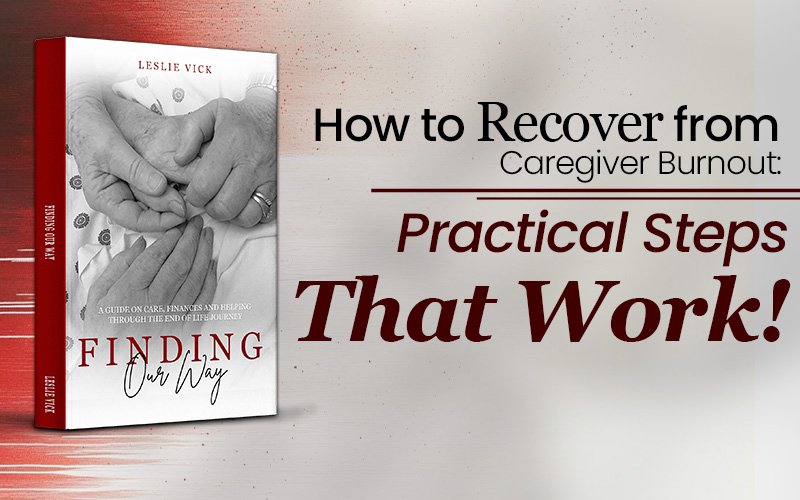
There’s no single number that fits every family here, and honestly, anyone who promises one is oversimplifying it. What actually helps is breaking the cost down piece by piece instead of treating it as one giant, scary total. Leslie Vick touches on this exact kind of family transition in her book, Finding Our Way, from leslie vick books. It’s a good reminder that money is only half of this. The rest is figuring out how a family holds together while making these decisions.
Frequently Asked Questions
1. How much does home care for elderly parents typically cost per month?
The cost depends largely on how many hours of care are needed, where you live, and the type of assistance required. Part-time home care may cost less, while full-time or around-the-clock care can be significantly more expensive, especially in larger cities.
2. Does Medicare pay for long-term elderly care?
Not really, and this trips a lot of families up. Medicare covers medical stuff — doctor visits, hospital stays, short rehab periods. Long-term custodial care, the day-to-day help most parents actually need, isn’t included. That’s usually where Medicaid or out-of-pocket spending has to step in.
3. What financial help is available for family caregivers?
There’s more than people expect, actually. Medicaid, if income qualifies. Veterans’ benefits, for parents who served. Some states run their own caregiver stipend programs too, plus tax deductions, and a few employers now offer paid caregiver leave. None of it covers everything alone, but stacked together, it helps with the cost of caring for elderly parents.