Dementia caregiver support means helping caregivers handle the emotional, mental, and daily struggles that come with caring for someone living with dementia. It includes emotional support, practical caregiving help, stress management, safety guidance, and learning how to cope with memory related changes at home.
According to the Alzheimer’s Association, dementia caregivers often experience higher stress levels than many other caregivers. Dementia care can affect caregivers emotionally, mentally, and physically at the same time.
Caring for someone with dementia changes life slowly. Sometimes so slowly that families don’t even notice how much pressure has already built up inside them.
At first, it may look like simple forgetfulness.
Then routines start changing.
Questions repeat again and again. Mood swings happen unexpectedly. Nights become difficult. Over time, caregivers often begin feeling mentally and emotionally exhausted too.
That’s why dementia caregiver support matters so much.
Not only for the person living with dementia, but for the people trying their best to care for them every single day.
Dementia Care Affects More Than Memory
Most people think dementia only causes memory loss.
But honestly, families quickly learn it affects much more than that.
Behavior changes. Emotions change. Communication changes. Sometimes even personality feels different.
This creates emotional caregiver stress that slowly builds inside families.
And many caregivers carry it quietly.
Small Signs Caregivers Should Not Ignore
Dementia caregiver stress usually builds little by little.
Many people ignore their own mental health because they stay focused on the loved one first. But caregiver mental fatigue becomes very real after months or years of constant caregiving pressure.
Some common signs are:
- Feeling emotionally drained every day
- Trouble sleeping properly
- Getting irritated more easily
- Forgetting your own tasks often
- Feeling guilty while taking breaks
- Anxiety before bedtime
- Feeling alone even around family
- Crying unexpectedly sometimes
- Constant worry about patient safety
These things happen more often than caregivers admit openly.
The Hardest Part for Many Families
Watching Behavior Slowly Change
One of the most painful parts of caring for dementia patients is seeing someone behave differently from how they once were.
A calm parent may become angry. A loving spouse may stop recognizing faces sometimes. Small confusion can turn into fear very quickly.
Families often feel heartbroken and helpless during these moments.
Especially during later stages of elderly dementia care.
Repeating The Same Conversations
This happens a lot in memory loss care.
A loved one may ask the same question ten times in one hour. At first caregivers answer kindly. Later exhaustion starts building.
And honestly, that exhaustion is normal.
It does not mean you stopped loving them.
Daily Caregiving Becomes Mentally Heavy
Dementia caregiving support is important because daily tasks become emotionally tiring after a while.
Simple things can become stressful:
Bathing
Eating
Medicine reminders
Preventing wandering
Helping with confusion
Night time waking
These daily caregiving challenges slowly affect caregiver emotional health too.
Many caregivers feel like they are “always alert.” The brain never fully relaxes.
Families Need Support Too
This part gets ignored too often.
People usually focus only on the dementia patient. But caregivers need help too. Real help.
Dementia family support can come in small ways:
- Family members sharing responsibilities
- Friends helping with meals
- Short caregiving breaks
- Support groups
- Therapy or counseling
- Home care assistance sometimes
Even small relief matters more than people think.
Because dementia caregiver burnout becomes very serious when stress stays nonstop for too long.
Simple Things That Actually Help Caregivers
There is no perfect way to care for someone with dementia. Families learn slowly through experience.
But some things genuinely help.
Keep Routines Simple
People with dementia often don’t like changes. Even they feel safer with the same familiar routines. You, as a caregiver, must be aware of it.
What to do? Set a dedicated time for each work. Meal. Sleep. Cleaning and all that. Your daily activities must be consistent as much as possible. Create a small structure. It reduces confusion sometimes.
Speak Calmly During Stressful Moments
Loud corrections usually increase frustration.
Instead, soft communication helps more during dementia behavior changes.
Even when conversations repeat again and again.
Protect Your Own Health Too
This matters deeply.
Many caregivers skip doctor visits, meals, exercise, or sleep because they feel guilty focusing on themselves.
But caregiver stress dementia situations become worse when caregivers completely ignore their own needs.
Your health matters too.
Dementia patient safety becomes important
As dementia progresses, safety becomes a bigger concern at home.
Families may need to think about:
- Stove safety
- Bathroom support handles
- Door alarms
- Medication organization
- Fall prevention
- Emergency contact lists
These things reduce stress later.
Good dementia care assistance is often about preparing early before bigger problems happen.
Emotional Support Matters More Than People Think
Some caregivers don’t need advice first.
They simply need someone to listen.
Caregivers of dementia patients often feel lonely. That’s where they actually require dementia emotional support. It works a powerful push. It becomes necessary when people around the caregiver don’t understand how this dementia care actually affects them.
You must talk honestly about frustration. It helps reduce emotional pressure inside. Nobody should carry these kinds of feelings alone.
One Thing Caregivers Need to Remember
Feeling tired is not wrong. You are a human.
Needing rest is not selfish.
You’re not weak if you seek emotional support.
Dementia caregiving support exists because dementia care affects the whole family emotionally, not only the patient.
That’s real life.
A Small Reminder
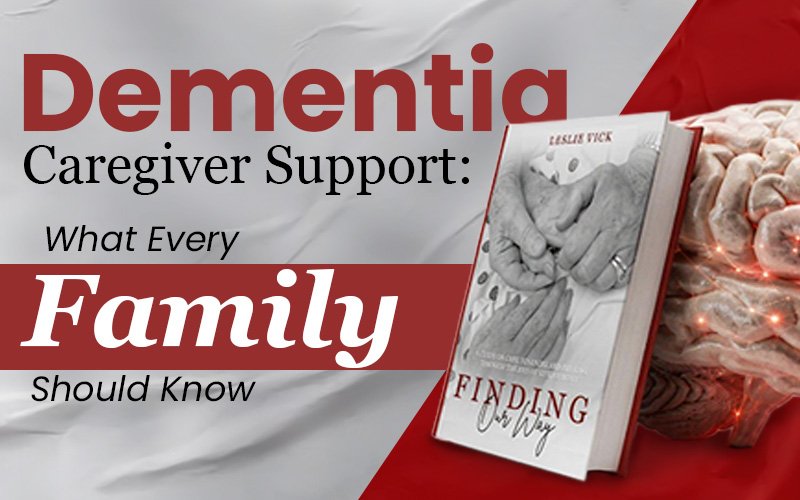
At Leslie Vick Books, caregiving is discussed here with honesty for caregivers quietly struggling while trying to stay strong for their loved ones. Leslie Vick‘s book Finding Our Way (a must-read among books for caregivers) reminds families and caregivers that professional support, and emotional understanding matter as medical care does.
So if you are someone going through dementia caregiving, Finding Our Way is the perfect guide for you. It will help you feel less alone.
Further, if you want to learn the fundamentals of caregiving, must read one of our previous blogs “Your Essential Caregiving Guide: 6 Tips and Strategies for a Smoother Journey.”
Conclusion
Dementia caregiving can be emotionally exhausting. Sometimes confusing too. Families find it hard to handle different things at once. Memory changes. Emotional shifts. Safety concerns. And everyday caregiving responsibilities.
And that increases the importance of dementia caregiver support.
Families must acquire a few things like emotional support, small breaks from caregiving, planned routines, talking with someone who truly cares. So that they can manage the pressure in healthier and smooth ways. Caregivers are also human, they also require support. Not only the person receiving care.
Frequently Asked Questions
1. What kind of support do dementia caregivers usually need?
Honestly, most caregivers just need someone to help them breathe a little. Some need emotional support. Some need a few free hours to rest. Others want family members to actually understand what they are going through.
2. How can caregivers lower stress while caring for someone with dementia?
Stress never fully disappears. But small things help. Sleeping better helps. Talking to someone helps too. Even sitting outside alone for ten minutes sometimes makes a difference.
3. Why do caregivers feel so emotionally tired?
Because dementia care is not only physical work. It affects the heart too. Repeating things daily, handling confusion, seeing memory slowly fade away, all of this quietly drains people inside.
4. When should families think about getting outside help?
It must be considered when caregiving starts affecting personally like, sleep, emotions, and safety. If the caregiver feels constantly tired or the loved one needs more attention, getting extra dementia care assistance can really help here.