End of life planning is a complete process in which families or caregivers prepare important medical, legal, financial, and personal decisions before a serious illness or the final stage of life comes. This planning helps families understand a loved one’s wishes, reduce emotional confusion , and allows everyone to focus more on being together instead of making pressured decisions.
The Conversation Project conducted a survey in 2024, which found that most Americans give importance to talking about end of life wishes before the crisis while many others delay it until the medical crisis comes.
Nobody likes initiating this topic. It always gets delayed.
Because it feels uncomfortable.
Some people even think talking about it somehow invites bad luck. Maybe you’ve heard that before.
But life doesn’t really wait until we’re comfortable.
One unexpected phone call, one hospital visit, one sudden diagnosis… and families suddenly find themselves making decisions they never talked about before.
That’s exactly why planning early matters.
Not because we’re expecting the worst.
Because we love the people around us.
The Conversation Most Families Keep Delaying
Almost every family says the same thing.
“We’ll talk about it later.”
Later turns into next month.
Then next year.
Then suddenly there isn’t enough time.
Having these conversations while everyone can still speak openly makes things much easier later.
They may feel awkward at first.
Honestly, they usually do.
But afterwards, many families say they’re glad they finally talked.
A Simple End-of-Life Planning Checklist
You don’t have to finish everything in one day.
Start small.
Write things down.
Come back to it another weekend if needed.
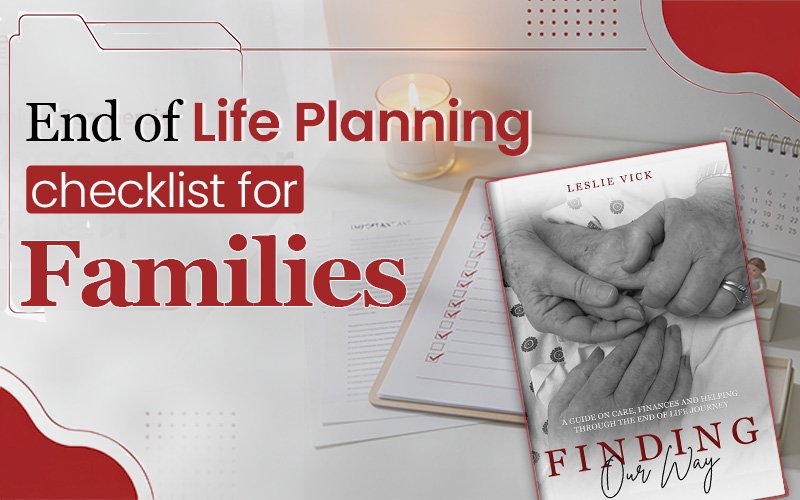
A simple end of life checklist may include:
- A living will
- Healthcare proxy information
- Power of attorney documents
- Important financial records
- Insurance information
- Estate planning papers
- Funeral or memorial wishes
- Passwords stored safely
- Emergency contact list
Even checking off two or three things is better than having nothing prepared.
Medical Choices Should Never Be Guesswork
Talk About Future Medical Decisions
One difficult part of advance care planning is discussing medical treatment.
People often know what they want.
They just never say it aloud.
Some may want every available treatment.
Others may prefer comfort focused care if recovery becomes unlikely.
These conversations remove uncertainty later.
Family members won’t have to wonder if they made the right decision.
Know Who Will Speak For You
Sometimes a person cannot make healthcare decisions anymore.
That’s where a healthcare proxy becomes important.
Choosing someone you trust in advance provides doctors with clear direction and helps families feel more confident during stressful times.
Don’t Forget The Important End of Life Documents
Nobody enjoys paperwork. Still, it becomes one of the most valuable parts of end of life planning.
Still, it becomes one of the most helpful parts of end of life planning.
Important documents should stay together in one place.
Family members should know where they are.
That includes:
- Advance directives
- A living will
- Financial information
- Insurance documents
- Property records
- Power of attorney papers
It sounds simple.
But during emergencies, families often spend hours searching for papers they thought were easy to find.
Talk About Personal Wishes Too
Planning isn’t only about legal documents.
It’s also about personal wishes.
Maybe someone wants to stay at home as long as possible.
Maybe they hope for hospice care instead of repeated hospital visits.
Others may already know the type of memorial they would like.
These conversations matter.
They help families feel they’re honoring the person’s wishes instead of making guesses.
Money Is Part Of The Conversation Too
Many people avoid discussing finances.
It’s understandable.
Still, financial planning helps remove extra pressure later.
Families should know:
- Where important accounts are
- Insurance details
- Monthly bills
- Mortgage or rent information
- Funeral savings if available
Nobody wants to sort through years of paperwork while grieving.
Doing some organizing now can save a lot of stress later.
Care Options May Change Over Time
Health needs often change gradually.
Someone may begin with help at home.
Later they may need palliative care to manage symptoms and improve comfort.
Eventually, some families decide hospice care offers the right support.
Every situation looks different.
There isn’t one perfect path.
What’s important is understanding these options before decisions become urgent.
Planning Helps The Whole Family
People sometimes think planning only benefits the older adult.
Actually, it helps everyone.
Family conversations become clearer.
Arguments become less likely.
Children know what parents want.
Brothers and sisters don’t have to guess.
And caregivers can spend more time simply being present.
That matters more than many people realize.
A Small Reminder From Leslie Vick
Leslie Vick has often stated that caregiving often works much more than a doctor’s appointment or medications.
It requires paperwork, proactive planning , pro-active planning, difficult but necessary conversation, and being prepared ahead of the crisis.
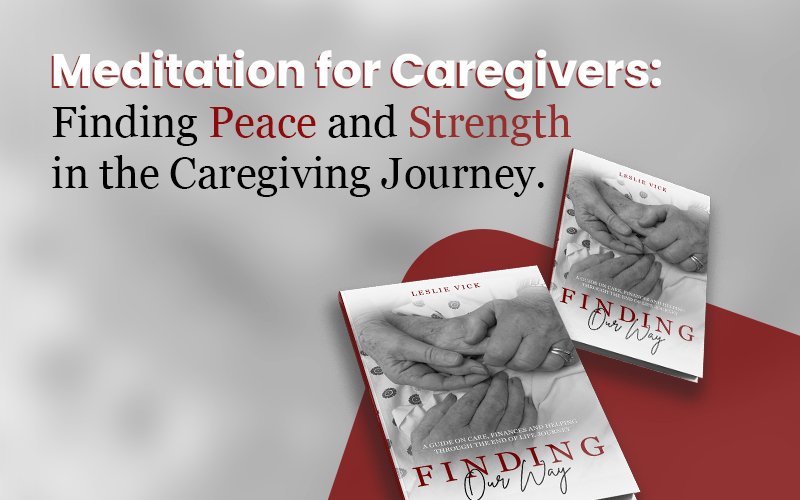
Through Leslie Vick Books, and in her book Finding Our Way, she encourages families to begin these conversations earlier. Also tells that if your loved ones are in their enough health to discuss things and make decisions, you should not wait for the crisis to come. You have a good chance to listen to their wishes and speak to them openly.
If you’re also helping someone through a serious illness, you may find our article Financial Planning Tips for Seniors At The End of Life helpful. It explains another important part of preparing ahead and works well alongside this caregiver and healthcare planning guide.
It Doesn’t Have To Be Perfect
Many families wait because they think they need every answer first.
You don’t.
One conversation is enough to begin.
One document completed this month is progress.
Another next month is progress too.
Little by little, the plan grows.
And when difficult days eventually come, your family won’t have to start from zero.
Conclusion
End of life or family care planning is one of the major decisions of life. It’s not about expecting or waiting for something bad to happen.
If planned early, it gives your family clarity during one of life’s hardest moments.
No one wants to be confused or wonder what to do during their loved one. So, when the important wishes are already written, medical decisions are taken, and legal paperwork is ready to manage, you can spend more time with them and provide mental and physical support that is actually needed.
Frequently Asked Questions
1. What should be included in an end of life plan?
To make a good end of life plan, you need to create or organize different kinds of documents and information which includes living will, power of attorney, financial information, insurance details, property documents, and loved one’s wishes regarding future medical care and funeral arrangements.
2. When should families start end of life planning?
It is always best when your loved one is still able to make conscious decisions. Informed decisions. By planning early, you keep enough time to talk with them openly. Not any pressure. No medical emergency. The earlier you do this, the more satisfied you will be with the outcome.
3. What is the difference between hospice care and palliative care?
Palliative care is about improving well-being and comfort of the patient at any point in a serious illness. On the other side, hospice care is provided to those who are very close to death and the treatment of the disease is not the goal.
4. Why is advance senior care planning important?
Advance care planning helps families understand a person’s healthcare wishes before they can no longer communicate them. It reduces confusion, supports better medical decisions, and gives loved ones greater peace of mind.