Suppose you’re compassionate toward older parents. wife or a family member with a long-term illness, then you know how difficult it is, especially when you don’t have anyone to help. That’s exactly where respite care for caregivers helps. It offers temporary caregiver relief so caregivers can rest and return refreshed, feeling more patient.
Respite care is an essential service, not a luxury. It helps keep going and prevents burnout before it becomes a crisis.
What Is Respite Care, Exactly?
Respite care is temporary assistance for caregivers. It enables caregivers to get a few hours off, some days off, or even weeks off from their loved one’s care. It may be home-based, adult day center-based, or resident-based, depending on what circumstances dictate, since the primary aim is to let caregivers have a break without affecting the quality of care their loved one gets.
Now, let’s look at why respite care is so important and why many families wait too long before asking for help.
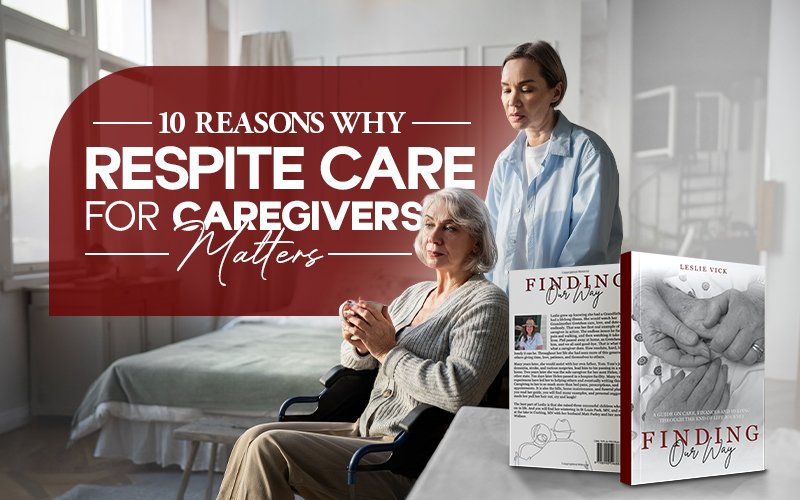
10 Reasons Why Respite Care for Caregivers Matters
1. It Prevents Caregiver Burnout
Providing care to another person can be very exhausting both physically and mentally when it comes to the period when you’ve been doing this for some time. Exhaustion and stress do not occur instantly – they appear gradually due to such factors as poor sleep, lack of food and permanent stress.
Such breaks will interrupt the process of accumulating fatigue and allow you to continue caring properly.
2. It Protects Physical Health
According to the Cleveland Clinic, a lot of caregivers tend to avoid visiting a doctor and taking care of themselves because of the lack of time due to caring for others. Caregiving provides them with an opportunity to visit a doctor and attend to themselves.
3. It Promotes Emotional and Psychological Health
As the caregivers are too occupied with looking after someone else to pay a visit to a doctor or look after themselves, this provides an opportunity for them.
4. It Enhances the Caregiver-Care Recipient Relationship
It is known that being in charge of caring for another person for a long period of time may lead to loneliness and stress. And getting away from your regular life for some time may help with your psychological condition.
5. It Enables You to Take Care of Your Personal Needs
Most caregivers have their own jobs, kids and families to look after. And this kind of service allows them to do that.
6. It Reduces the Risk of Medical Emergencies
Caregivers can make mistakes or miss important things if they are tired. Taking short breaks helps maintain the alertness and consistency that quality care requires.
7. It Provides Support for Complex Conditions
For families caring for someone with Alzheimer’s or dementia, family respite care provides trained support that understands the specific challenges like memory loss, confusion, and behavioural changes. This support can make caregiving easier
8. It Gives Caregivers Room to Grieve and Process
It is normal to go through many emotions when you take care of a sick or dying person. Respite care helps you process your emotions and take care of yourself emotionally.
9. It Builds a Support System Around the Family
The use of senior respite care frequently means that families have access to a whole range of resources that they were not even aware of, which takes away from that feeling of isolation in caregiving.
10. It Improves Long-Term Care Sustainability
A care that is unsustainable will eventually fall apart, either because the caregiver exhausts himself/herself or due to a reduction in the quality of care. Senior respite care enables sustainability of the process of care, and that is one of the respite care benefits for everybody.
Respite Care Options at a Glance
| Type of Respite Care | Best For | Typical Duration |
| In-home respite care | Families wanting continuity in a familiar setting | A few hours to full days |
| Adult day programs | Caregivers who work or need daytime coverage | Daytime hours |
| Residential/facility respite | Longer breaks, vacations, or medical needs | Overnight to a week+ |
| Emergency respite | Sudden caregiver illness or crisis | As needed |
Choosing the right respite care options depends on your loved one’s needs, your budget, and how much flexibility you need in your schedule.
Where Do I Begin
In most cases, it is only when the caregiver feels unable to cope with his/her tasks that the help is sought. This is where books like “Finding Our Way” by Leslie Vick can help in providing a realistic solution to the caregiver’s problem and how to go about seeking help. The book is reflective of the experience-based attitude towards the issue.

Brands like Leslie Vick were created precisely because of such gaps – to educate people that it is not neglect to give oneself some rest, but the only way to continue taking care of others properly.
Prepared to Take Your First Step?
Is any of this sounding all too familiar, particularly if it is your older parent that you are caring for? Then be sure to read “The Hidden Challenges of Caring for Aging Parents.”
Final Thoughts
Respite care does not imply doing something less for your beloved one. On the contrary, it is about ensuring that you have enough energy and willpower to continue providing your loved one with proper care without neglecting yourself.
Frequently Asked Questions
1. What is respite care for caregivers?
Respite care for caregivers is temporary care either at home, at a day care facility, or in a residential setting where caregiving activities are taken over to allow the caregiver to relax and take care of other matters.
2. How long does respite care normally last?
It may range from a few hours per week if used at home, or even a full week when used over a holiday period or for recovery from exhaustion.
3. Is respite care only for elderly patients?
No. Although senior respite care is common, respite care also helps with the management of patients suffering from other diseases such as chronic illness and dementia.
4. Where can I find caregiver respite services close to me?
Find out about respite services near you through your healthcare providers or dementia respite care agencies.
5. Does my insurance cover respite care?
Different insurance providers cover respite care differently, depending on whether your policy includes respite care coverage or not.