
Comfort care focuses on relieving pain, managing symptoms, and improving quality of life for someone with a serious or terminal illness. Instead of focusing on curing the illness, comfort care prioritizes comfort, dignity, emotional support, and the person’s wishes.
People mostly hear the term for the first time from a doctor, and usually not on a day they saw coming.
Maybe that’s where you are. The doctor said it, you nodded, and the real questions showed up an hour later in the car. Happens to almost everyone.
What Does Comfort Care Include?
Comfort care can look different for each person, depending on their symptoms, needs, and wishes. The aim stops being “fight this” and becomes “make today easier than it would’ve been otherwise.” Medication gets adjusted as pain changes. Someone helps with nausea, or breathlessness, whatever’s showing up that week. And somebody, ideally, is paying attention to the emotional weight too, since that part gets brushed aside more than it should.
Caregivers get looked after in this too, which matters more than people think going in. It wears you down in ways that don’t always show on the outside. Somewhere along the way there’s usually a talk about advance planning, so nobody’s making huge decisions later under pressure.
Nobody’s giving up here. That’s not what this is. The team just changed what winning looks like. Comfort and dignity, that’s the new scoreboard, not recovery.
What Is the Difference Between Comfort Care, Hospice, and Palliative Care?
Fair mix-up, honestly. Palliative care can start way early, years before anything close to end of life even, and it runs fine next to active treatment. Hospice works differently. It focuses on comfort rather than curative treatment when a person meets hospice eligibility requirements.
So palliative teams often work beside a treatment plan still in motion. Hospice care focuses on comfort rather than curative treatment when a person meets hospice eligibility requirements. And for elderly patients specifically, hospice usually starts closer to the final stretch, while palliative support might’ve been going on for months, sometimes longer, before that.
How Does Comfort Care Work?
Comfort care works by focusing on the person’s comfort, symptoms, preferences, and quality of life. A care team may adjust medications, manage symptoms, provide emotional support, and help family members understand what to expect.
Rarely one doctor runs the whole thing. Usually it’s a small team. A nurse, a social worker, a chaplain sometimes, aides rotating in based on what the week needs.
Here’s what catches people off guard: comfort-focused care can often be provided at home, depending on the person’s needs, care plan, and available services. Nobody has to check into a facility for this. Most people actually do better somewhere familiar anyway, and that’s kind of the point of choosing it in the first place.
When Is Comfort Care Appropriate?
Comfort care may be appropriate when the main goal shifts toward relieving symptoms, reducing distress, and improving quality of life. It can be considered at different stages of a serious illness, depending on the person’s needs and wishes. Hospice care has separate eligibility requirements and may involve a life expectancy of six months or less if the illness follows its expected course.
The signs can build up slowly. Hospital trips may stop helping as much, day-to-day activities can become harder to manage, or the person and family may decide that comfort should become the main priority.
How Does Comfort Care Support Families and Caregivers?
This part is underestimated a lot. Support here isn’t only for the person who’s sick.
Grief counseling keeps going after the patient’s gone, not just during. There’s respite time so the caregiver actually sleeps for once. A nurse picks up at odd hours if something urgent comes up. And usually someone walks the family through what’s coming physically, so it’s not all guesswork when it happens.
If you’re the one holding most of this together, that support ends up mattering more than almost anything else in the whole process. It also helps to loop in other family members early, even the ones who live far away. A shared calendar or a simple group chat can keep everyone updated without constant phone calls.
How Can Families Prepare for Comfort Care?
Getting ready early makes the switch less jarring, even if nobody wants to think about it that far ahead. Talk to the doctor sooner, not later, about what planning looks like specifically for your situation. Families should also consider financial planning for seniors to prepare for changing care needs, medical expenses, and other end-of-life costs. Check more than one provider, since they’re not all offering the same things. Have the hard conversations with family before urgency forces them. And if home’s the plan, actually set the space up right, somewhere calm, not just whatever room was free that day.
Also Worth Reading
If the money side of caring for a parent’s been on your mind too, there’s a related piece, How Much Does It Cost to Care for Elderly Parents, that gets into home care costs, medical bills, and the smaller stuff that adds up without anyone noticing.
Final Thoughts
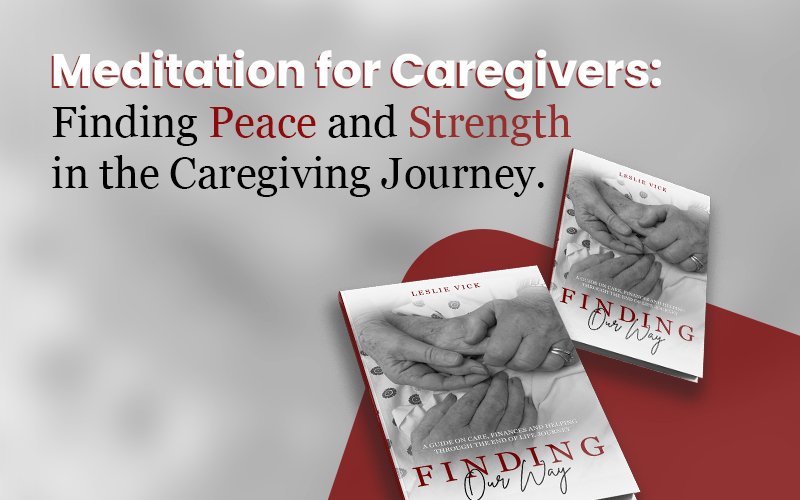
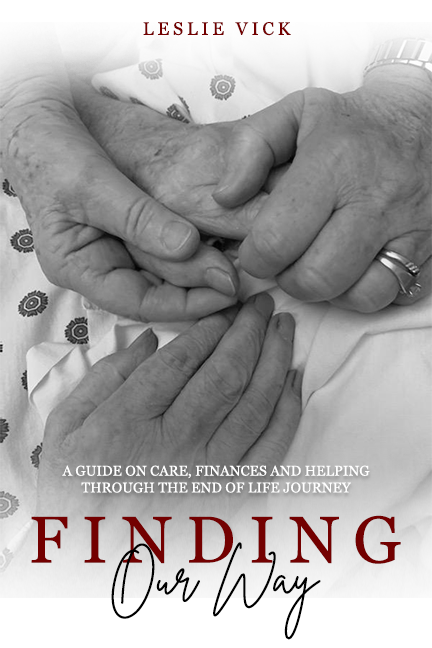
No clean formula exists for any of this. Every family handles serious illness and end-of-life decisions differently. What helps is knowing the options before a crisis, asking questions early, and remembering that support is not only for the patient. In Finding Our Way, Leslie Vick explores the emotional realities of caregiving, family support, and finding your way through difficult seasons. Even in the hardest stretches, families can find support, comfort, and a way forward.
Frequently Asked Questions
1. What is comfort care?
Comfort care is supportive care that focuses on easing pain, managing symptoms, and improving quality of life. It can also include emotional, spiritual, and family support when the goal is comfort rather than curing the illness.
2. Is comfort care the same as hospice care?
No. Comfort care is a general approach focused on relieving symptoms and improving quality of life. Hospice is a specific type of end-of-life care that provides comfort-focused services for people who meet hospice eligibility requirements.
3. Does hospice care happen at home?
Yes. Hospice care can often be provided at home, depending on the patient’s needs, care plan, and available hospice services. Hospice services may also be provided in nursing facilities, assisted living settings, hospitals, or dedicated hospice facilities.