Caregiver loneliness is all about the feeling of being alone on an emotional level while giving consistent care to someone. It happens even if friends and family members and healthcare professionals are around. A caregiver carries a burden in terms of worries, responsibilities, and emotions that others don’t understand fully. Over time, this feeling can affect emotional well being, relationships, and overall health.
A research conducted by National Alliance for Caregiving also tells that many family caregivers go through emotional strain and feelings of isolation during the caregiving. That is common and a simple reality.. Caregiving can place people around others all day, yet still leave them feeling very alone.
Most people think of loneliness as sitting in an empty room. Nobody is around.
But caregiving loneliness is of a different kind..
You may spend the whole day with many people. You might talk with doctors, you might talk with relatives and friends. But what at the end of the day? You still feel missing. A quiet feeling that nobody truly understands what your days look like.
That feeling is more common. Only caregivers realize it.
What Is Caregiver Loneliness?
Caregiver loneliness is the feeling of emotional isolation that many caregivers experience while caring for a loved one. Even when family, friends, or healthcare professionals are present, caregivers may still feel alone because others do not fully understand the emotional and physical responsibilities they carry every day.
The Strange Kind Of Loneliness Many Caregivers Feel
Caregiving changes life in unexpected ways.
At the start of caregiving, you might not notice that your life is being changed. You might feel you are just helping with a few appointments or daily tasks. But with time, things grow slowly. You’ll get more responsibilities. You’ll have to make more decisions.
You won’t even notice, your life starts revolving around someone else’s needs. Your social life is being shrinked. And this is where you will feel loneliness in caregiving.
And this is not because people do not talk or meet with you. But because your own world is being smaller than it used to be.
When Your Whole Day Starts Revolving Around Someone Else
The Quiet Loss Of Your Old Routine
Many caregivers miss ordinary things.
Meeting a friend for coffee.
Taking a spontaneous weekend trip.
Watching a movie without worrying about what is happening back home.
These things sound small until they disappear.
Over time, caregivers sometimes stop making plans altogether because caregiving responsibilities always come first.
Friends Slowly Stop Calling
Most friends mean well.
But many don’t know what to say.
Some assume you are too busy. Others feel uncomfortable talking about illness, aging, or end of life situations.
The phone rings less often.
Invitations become less frequent.
You may not even realize how much your social circle has changed until one day it suddenly feels very quiet.
Your World Starts Getting Smaller
This is where caregiver social isolation can begin.
Not because you want to avoid people.
You simply become tired.
You cancel plans.
You postpone activities.
Then weeks become months.
Before long, your daily world feels limited to caregiving tasks.
Family Members May Be Present But You Still Feel Alone
One thing caregivers rarely talk about is this.
Sometimes family members are physically present but emotionally absent.
A sibling may visit occasionally.
A relative may ask how things are going.
Yet the main responsibility still falls on one person.
This often creates family caregiver loneliness.
Not because help never comes. But because the caregiver carries most of the emotional weight.
The appointments.
The late night worries.
The difficult decisions.
The constant responsibility.
Those things are not always visible to others.
Signs That Caregiver Loneliness Is Affecting You
Loneliness does not always look obvious. Sometimes it shows up quietly.
You may notice:
- People who you care about are being disconnected
- Avoiding social conversations
- Loss of interest in hobbies
- Emotional drainage in most days
- Increase of frustration or sadness
- Trouble sleeping
- Mental fatigue (non-stop)
- Feeling like nobody understands your situation
Many caregivers assume these feelings are simply part of the job.
But they often point toward caregiver emotional isolation.
Why Loneliness Can Become A Bigger Problem
Stress Builds Up Faster
As a caregiver, if you don’t have someone you trust the most, you start feeling the stress has stayed trapped inside.
So, that’s the reason many caregivers sometimes experience stronger emotional reactions. And that’s natural if you keep everything as only your responsibility.
Caregiver Burnout Becomes More Likely
Loneliness and burnout often travel together.
When emotional exhaustion builds without support, caregivers may start feeling overwhelmed by even simple tasks.
This does not mean they love their family members any less.
It simply means they are human.
Your Own Health Starts Taking A Back Seat
Many caregivers spend so much time caring for others that they stop paying attention to themselves.
Doctor appointments get delayed.
Sleep gets ignored.
Exercise disappears.
The result can affect both physical and caregiver mental health over time.
Small Things That Help You Feel Connected Again
The answer is not always some big life change. Small steps often help the most.
A short phone call.
A quick coffee with a friend.
Joining a local support group.
Talking honestly about what you’re feeling.
Building a caregiver support network takes time, but it can make a huge difference. You do not need dozens of people. Even one or two trusted people can provide meaningful caregiver emotional support.
And if talking feels difficult, start small. A simple text message is enough sometimes.
A Reminder From Leslie Vick
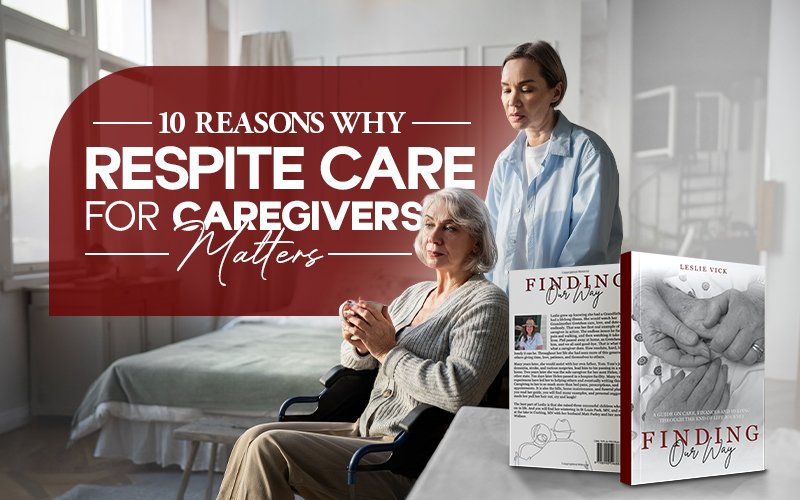
Leslie Vick, author of Finding Our Way understands many of these feelings through her own caregiving experiences. In her book, she discusses honestly about the emotional side and challenges of caregiving that families face commonly.
Found this post useful and informative? You may also want to read one of our previous post “The Role of a Caregiver – Balancing Love, Duty, and Self Care.” By reading it, you will get to know what emotional responsibilities caregivers carry and how to care for yourself during this period as a caregiver.
Want to read more insightful posts like this? Keep visiting Leslie Vick as we consistently share new tips and facts for caregivers.
You Are Not The Only One Feeling This Way
You Are Not Alone! This is something that every caregiver must remember. Also:
Feeling lonely does not mean you are failed.
It does not mean you’re ungrateful.
And it does not mean you love the person less.
It simply means you have been carrying a lot.
Many caregivers quietly struggle with the same feelings. They just don’t always talk about them.
Once you realize that, loneliness often feels a little less heavy.
Conclusion
Caregiver loneliness is very common. But not every caregiver considers it common. Most blame themselves for it. But they should not. It happens even in a busy house.
But the good news is that loneliness in caregiving does not have to stay permanently.
Don’t let yourself be isolated. Start conversation with trusted friends, join caregiver support groups, and talk to the people who always listen honestly. This will literally make a real difference.
Remember, a caregiver also needs care. Not tomorrow. Today!
Frequently Asked Questions
1. Is caregiver loneliness common?
Yes, very common. Many people feel loneliness at some point. It happens when one’s responsibilities increase and in result, social connections are impacted.
2. Why do caregivers feel lonely even when family is around?
It only happens because the burden of responsibilities a caregiver carries others don’t understand or feel. When emotional support becomes a need, physical presence doesn’t always work.
3. Can caregiver loneliness affect mental health?
Every kind of loneliness affects mental health. It contributes to stress and gradually emotional exhaustion. It lowers overall emotional well being.
4. What helps reduce caregiver loneliness?
A caregiver must maintain social connection first. Honest conversations work well. Moreover, they also should take short breaks and build a trusted support system.